BLOG
Is That Leak Your Roof… or Your Chimney?
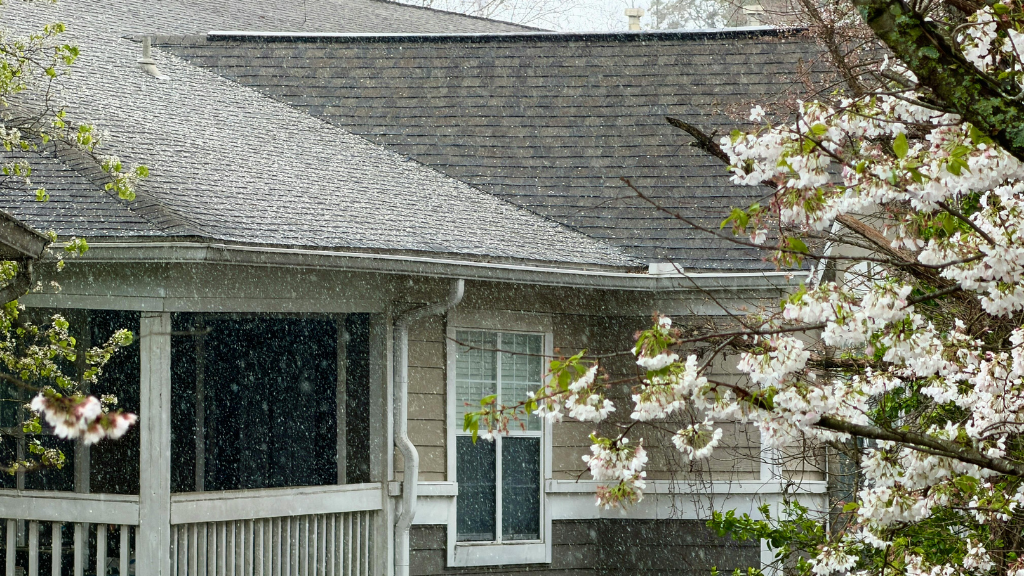
If you’ve noticed water stains on your ceiling or around your fireplace this April, you might be wondering: Is my roof leaking or is my chimney to blame?
The truth is, it can be surprisingly difficult to tell the difference. And misdiagnosing the source can lead to wasted money, repeat repairs, and bigger problems down the road.
Let’s break it down.
Why Spring Is Prime Time for Leaks
After a long winter, your home has been through freeze-thaw cycles, snow, ice, and wind. As temperatures rise and spring storms roll in, any small weakness in your roof or chimney system can quickly turn into a noticeable leak.
Your chimney is especially vulnerable because it penetrates your roofline, creating multiple points where water can sneak in if materials are worn or damaged.
Common Signs It Might Be Your Chimney
Not all leaks are created equal. Here are a few telltale signs your chimney-not your roof-could be the culprit:
1. Water Around the Fireplace
If you’re seeing moisture, staining, or dampness directly around your fireplace or chimney walls, that’s a strong indicator the issue is chimney-related.
2. Leaks During Wind-Driven Rain
Chimney leaks often show up during storms with heavy wind. Why? Because water is being pushed into cracks, gaps, or worn seals around the chimney structure.
3. White Staining on Brick (Efflorescence)
That chalky white residue on your chimney exterior is a sign that water is moving through the masonry.
4. Rusted Components
If your damper or firebox shows signs of rust, moisture is likely entering through the chimney system.
5. Dripping Sounds Inside the Flue
Hearing water dripping inside your chimney-even when it’s not actively raining-is a red flag.
When It’s More Likely Your Roof
Of course, not every leak is chimney-related. Your roof may be to blame if:
- Water spots appear far from the fireplace
- Leaks happen consistently regardless of wind direction
- Shingles are missing, curling, or visibly damaged
- The issue started after a recent storm or roof aging
Sometimes, both the roof and chimney contribute to the problem-especially where they meet.
The Most Common Chimney Leak Culprits
Here’s where chimney systems typically fail:
Flashing Damage
Flashing is the metal barrier that seals the gap between your chimney and roof. If it’s cracked, rusted, or improperly installed, water can easily seep in.
Cracked Crown
The chimney crown (the top concrete surface) protects everything below it. Even small cracks can allow water to penetrate and spread.
Missing or Damaged Chimney Cap
A chimney cap keeps rain, debris, and animals out. Without it, water goes straight down your flue.
Deteriorating Masonry
Brick and mortar are porous. They absorb water over time, especially if not properly sealed.
Why You Shouldn’t Guess
Here’s the tricky part: chimney leaks often mimic roof leaks. That’s why homeowners sometimes spend thousands on roof repairs- only to discover the problem wasn’t the roof at all.
A professional inspection is the only reliable way to pinpoint the exact source.
Our certified technicians are trained to inspect both the chimney structure and its connection to your roof, identifying hidden damage before it becomes a major issue. Our team follows industry standards and performs detailed inspections designed to catch problems early.
Spring Maintenance Checklist
April is the perfect time to stay ahead of leaks. Here’s what we recommend:
- Schedule a professional chimney inspection
- Check for visible cracks or loose bricks
- Look for water stains near your fireplace
- Ensure your chimney cap is intact
- Address minor issues before summer storms worsen them
Annual inspections are widely recommended to catch issues early and avoid costly repairs later.
Don’t Let a Small Leak Turn Into a Big Problem
A minor leak today can lead to major structural damage, mold growth, or expensive repairs if left untreated. The sooner you identify whether your roof or chimney is responsible, the easier and more affordable the fix will be.
If you’re seeing signs of a leak this spring, it’s worth getting a professional opinion before the next storm rolls in.
Not sure what you’re dealing with? A quick inspection can give you clarity so you can enjoy the rest of spring without worrying about what’s dripping overhead.