BLOG
What Happens During a Professional Chimney Sweep (And Why DIY Isn’t Enough)
As winter winds down here in Louisville, it’s tempting to tuck away thoughts of fireplaces and chimneys until next season. But right now – after months of use – is actually the perfect time to have your chimney professionally swept. Seasonal use creates buildup that can affect safety, efficiency, and your home’s comfort long after the last fire has gone out.
Below, we’ll walk through what happens during a professional chimney sweep and explain why a trained technician is crucial- far above what DIY methods can accomplish.
What Happens During a Professional Chimney Sweep?
A professional chimney sweep isn’t just about brushing soot out of your flue. A trained, certified sweep follows a structured process that includes:
1. Detailed Inspection
Before any cleaning begins, a professional inspects the chimney system from top to bottom- including the flue, damper, firebox, and chimney cap. This helps identify hidden damage or blockages that could impact performance or safety.
2. Creosote & Soot Removal
Creosote, a byproduct of burning wood, builds up inside the chimney over the winter. It’s highly flammable and a leading cause of chimney fires if left unchecked. Professional tools and techniques remove this buildup thoroughly, including stubborn deposits that DIY kits often miss.
3. Debris, Nests, & Obstruction Clearing
Debris like leaves, small animal nests, or other blockages can get into chimneys over time. A sweep identifies and removes these obstructions, which improves airflow and prevents dangerous smoke or gases from backing up into your home.
4. High-Powered Tools and Containment
Professionals use specialized brushes, extensions, and vacuums to reach the full height of the flue. They also protect your home from soot and dust which is something DIY efforts often fail at, leading to hours of cleanup.
5. Safety & Structural Feedback
During a sweep, technicians can detect early signs of wear, including cracks, damaged liners, or weakened mortar and recommend timely repairs. Catching these issues now can help prevent costly repairs later.
Why Professional Sweeping Beats DIY Every Time
At first glance, chimney cleaning might seem simple: “grab a brush, clear out soot, and I’m done.” But without training and proper tools, DIY sweeping can leave dangerous residues behind and even do more harm than good.
Here’s why:
DIY Can’t Reach or Remove Everything
Store-bought brushes and kits rarely reach the full length of your flue or remove hardened creosote. This means dangerous residue remains, increasing fire risk.
You Might Miss Hidden Issues
Only a trained professional knows what to look for. Structural issues like cracked liners or warped dampers can go unnoticed, making future use unsafe or inefficient.
Safety Hazards
Cleaning a chimney involves working at heights and handling potentially hazardous materials like creosote dust. Professionals have the ladders, safety equipment, and training to minimize risk.
Insurance and Peace of Mind
Many home insurance policies require documented maintenance if you ever need to file a claim related to chimney or fireplace damage. Professional cleanings help you stay compliant.
Why NOW is the Best Time (End of Winter / Early Spring)
If your fireplace saw frequent use this winter- even just a few times- residue has accumulated inside your chimney. Waiting until next fall means that buildup sits all year, exposing your flue to potential moisture damage, corrosion, and increased fire risk.
Scheduling a sweep now offers:
Improved airflow and indoor air quality
After winter, a clean chimney helps remove lingering soot and smoke odors.
Lower insect or animal nesting risk
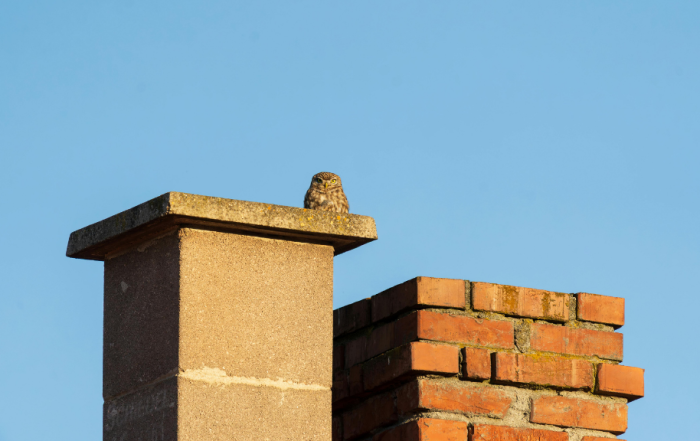
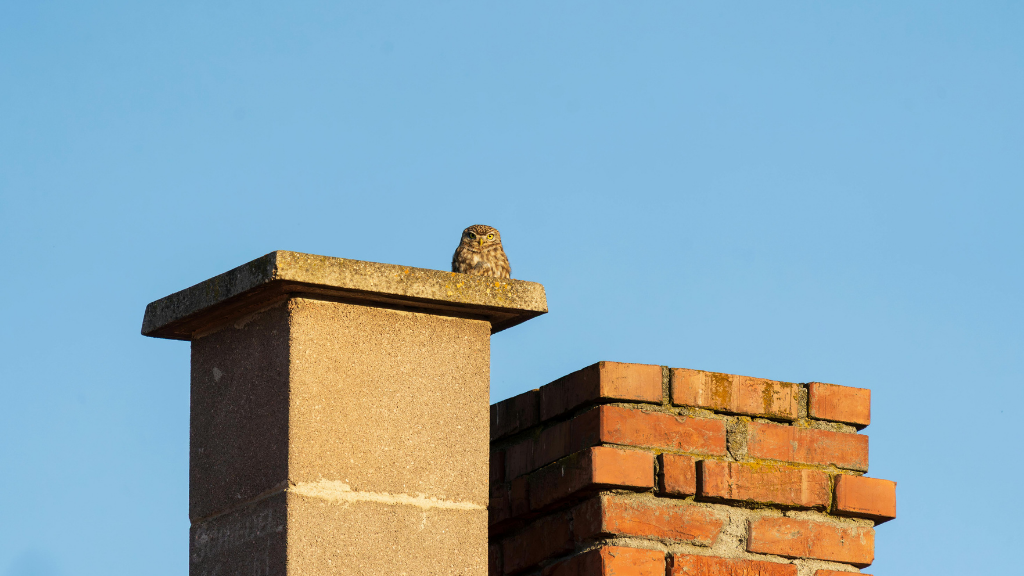
Uncovered chimneys become nesting spots as warmer weather arrives. A spring sweep discourages this.
Avoiding busy fall scheduling
Technicians tend to fill up before the heating season returns. Booking early means better availability and timely service.
Final Thoughts: Prioritize Safety & Efficiency
Your chimney isn’t just an accessory- it’s a critical component of your home’s heating system and safety infrastructure. Having it professionally swept at the end of the season ensures:
- Dramatically reduced fire risk
- Better ventilation and combustion
- Early detection of structural issues
- Compliance with safety best practices
If your fireplace worked hard for you this winter, return the favor with a thorough professional sweep now- so next fall you can cozy up safely without the worry.